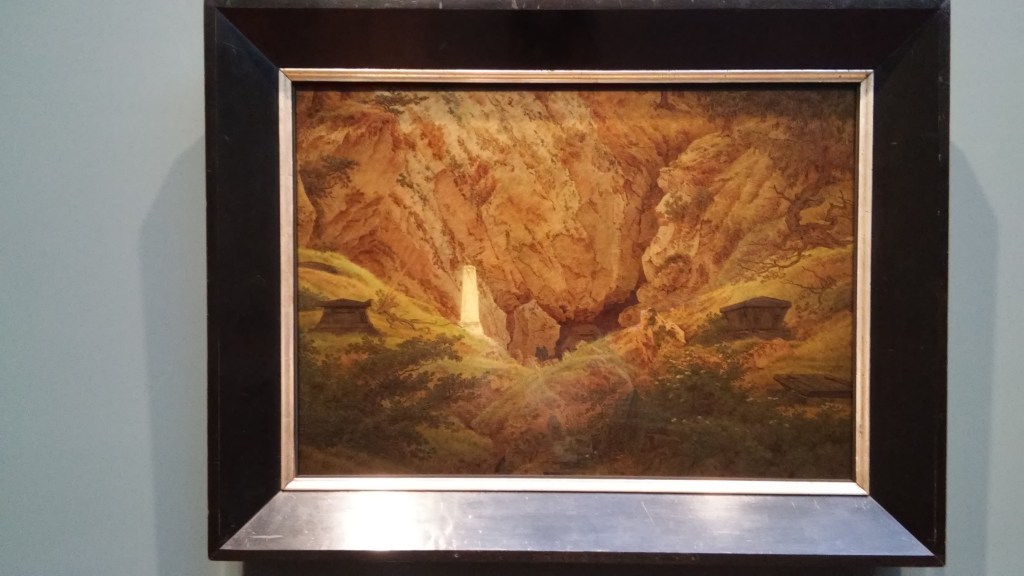
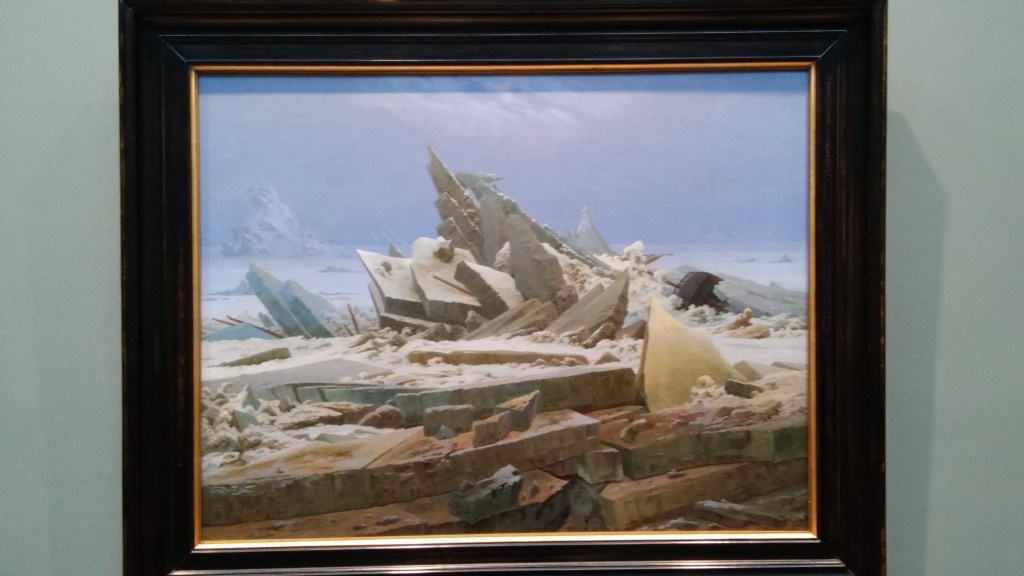
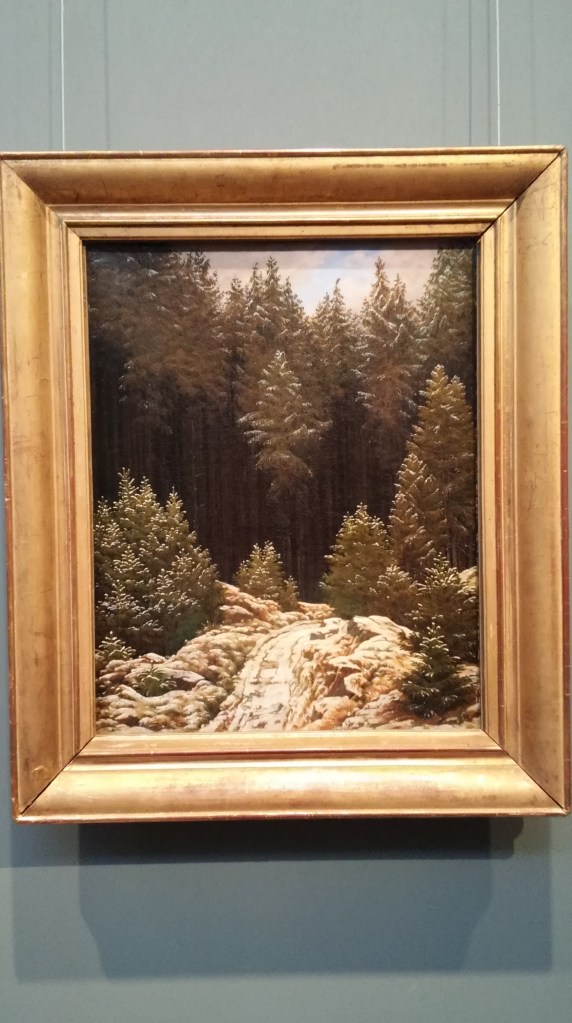
Caspar David Friedrich: The elegance and aesthetics of being overwhelmed by Mother Nature. Caspar David pacifies us against the fact/fate that only rocks, ice, fog and huge trees remain from old heroes, craft ships, philosophers and human architecture. Firmness and infinity of the Mother Nature has its best expression in perfectly cold whites.


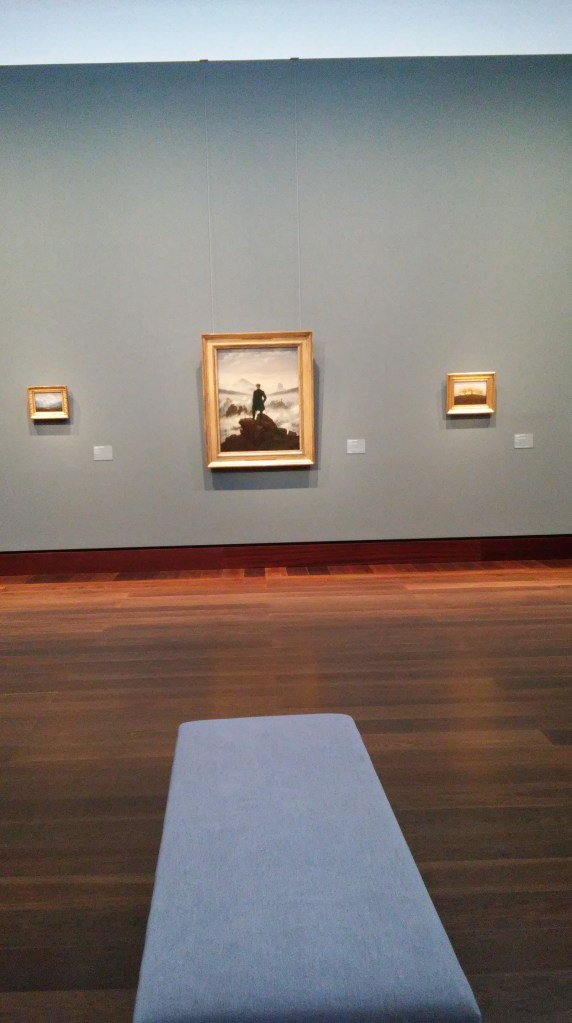
Wanderer above the sea of fog (1817)

Whites of Courbet: White in its most romantic, irreversibly stained and perfectly imperfect form. Never was a holy moment of human death and its ceremonious consequences depicted in such non-pious indiscretion.
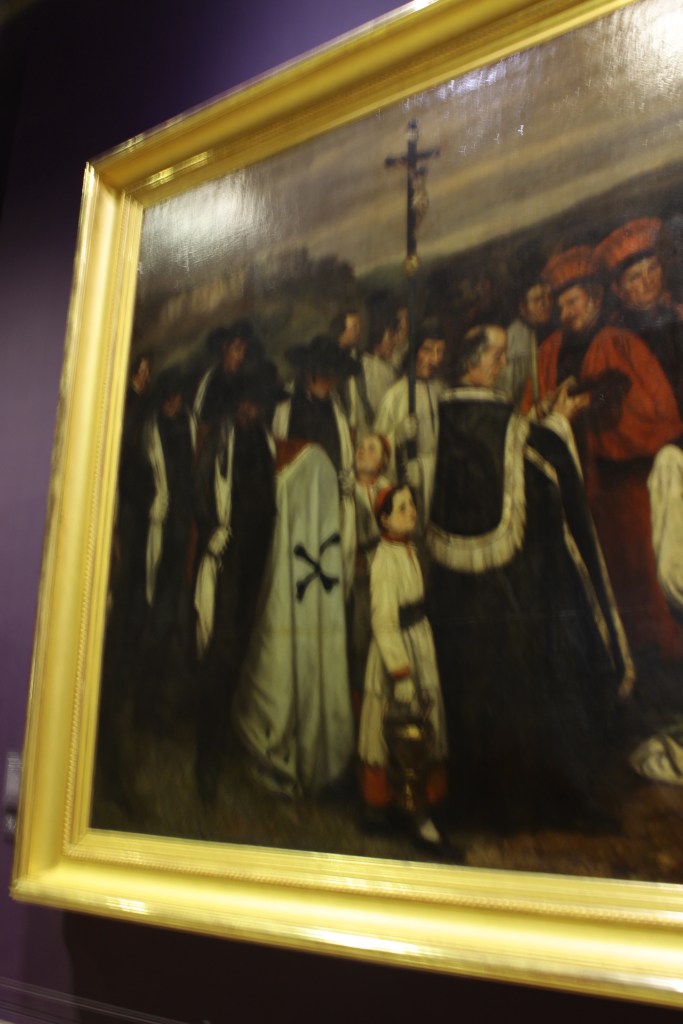

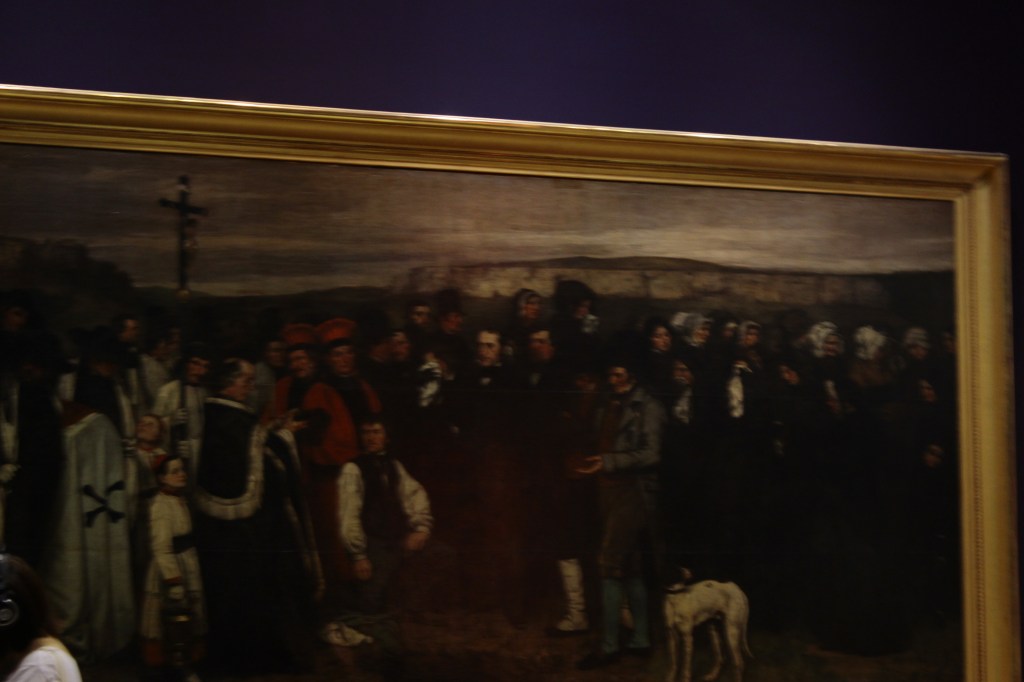

There is exactly a year between these encounters in Paris and in Hamburg, both are insidiously planned by unexpectedly prolonged visits, bestowing me second-hand heavens.
 BESTE GÜN ASLAN