ohtidesofflame
-
“The Artworld” and More on Modernism
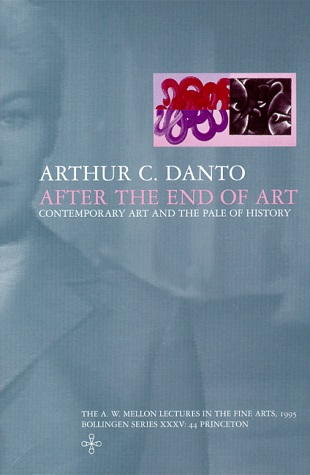
The reason why we consider the modern art as modernist can be articulated in many aspects: First, one−as Greenberg does in his essay “Modernist Painting” (1960) −may give an account of its philosophical and ideological link with the modernist tendencies in philosophy initiated by Kant; second, one may elaborate on the possibility of defining art…
-
L’Atelier du peintre…
The emergence of realism as an art movement, and modernism and the avantgarde which follow this movement is the subject matter of the chapter from “Nineteenth Century Art- A Critical History”; “The Rhetoric of Realism: Courbet and the Origins of the Avant-Garde”. The group of writers, poets, thinkers and painters that belonged to Post-Romantic generation,…

-
On “Modern”, as in Modern Art
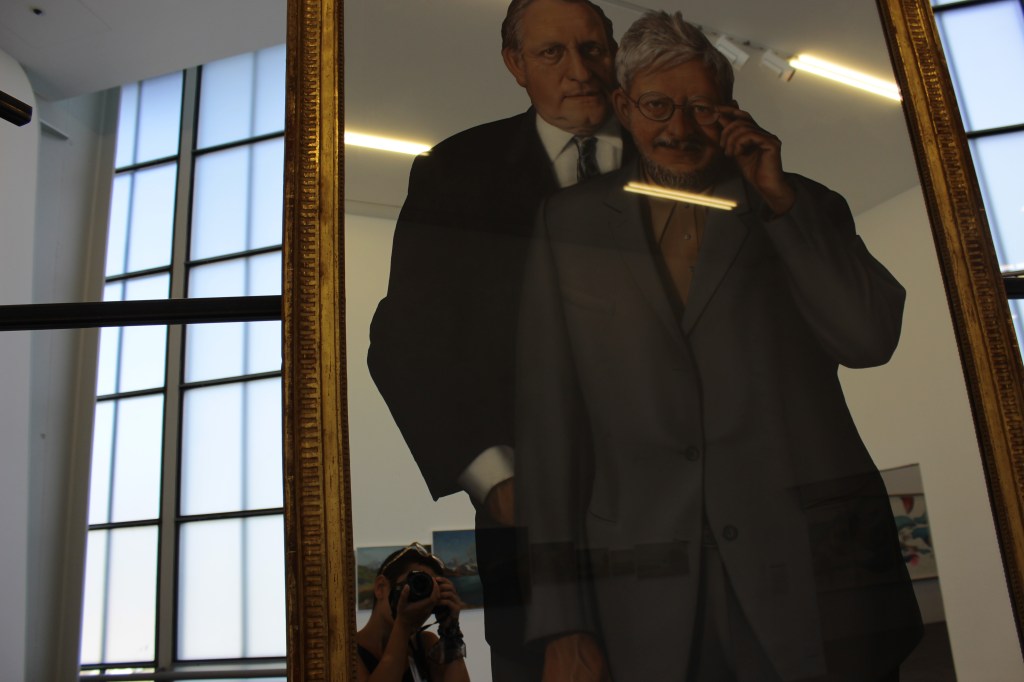
Habermas, in his essay “Modernity- An Incomplete Project”, claims that the project of modernity, which takes its roots from the Enlightenment, is an unfinished project; yet unlike post-modern thinkers, he does not think that modernity is a thing of the past, meaning it is something to be surpassed and subdued. Habermas starts to give an…
-
On Defining “Art”
In the essay “Definitions Of Art”, Stephen Davies introduces attempts to define art−meaning, to declare a set of properties both necessary and sufficient condition for a thing to be an art work−from differrent epochs of history of art and philosophy. From the early arguments of the discussion, he associates the quest for a definition with…

-
On “End of Dreams” (2015) by Nikolaj Bendix Skyum Larsen
End of Dreams is an installation combining sculptural pieces and video experimentation, and is exhibited at SALT Galata in İstanbul starting with 6th of February 2015. Prior to seeing his End of Dreams, I was more or less familiar with the core issues the artist is dealing with from…

-
on “Junkopia” and other sanctuaries
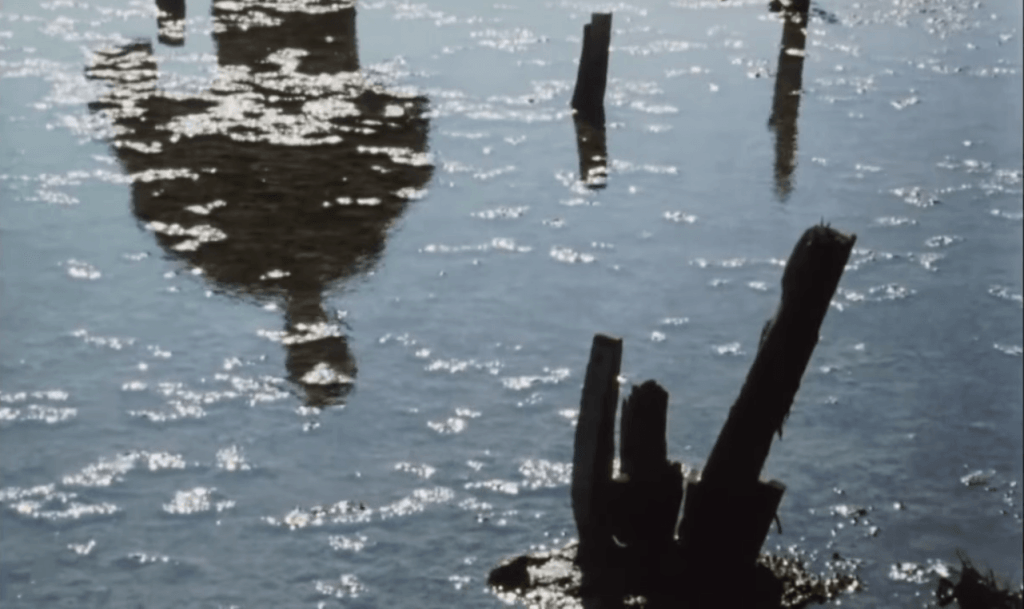
Impossibility of adopting the past as an utopia: Be the tiny sandals of Hittites for their tiny feet in Amasya, Anatolia or be the chasing here and there after one’s bondage to Mother Earth, which is indebted for this idea of bondage to 2nd Century AD. No matter how noble they are, as reflected in…
 BESTE GÜN ASLAN