Notes on Art History
-
“White” in Friedrich and Courbet
Caspar David Friedrich: The elegance and aesthetics of being overwhelmed by Mother Nature. Caspar David pacifies us against the fact/fate that only rocks, ice, fog and huge trees remain from old heroes, craft ships, philosophers and human architecture. Firmness and infinity of the Mother Nature has its best expression in perfectly cold whites. Wanderer above the…

-
What Do We Do With People When We Make Documentary?
Nichols (2001), belgeselin etiği sorunsalını en basit ve çarpıcı şekliyle yeniden yorumlar: “What do we do with people when we make documentary?” (belgesel yaparken insanlarla ne yaparız?). İnsanların gerçekle kurdukları, bazen filmcinin aktaramayabileceği kadar güçlü bağlar, ve bununla her zaman aynı yönde gelişmeyebilen, belgeselin, gerçekliğin bir “temsili” olması durumu Nichols’a bu soruyu sordurur. Biraz düşündüğümde,…

-
The Beauty of Mass (Commercial) Culture: POP
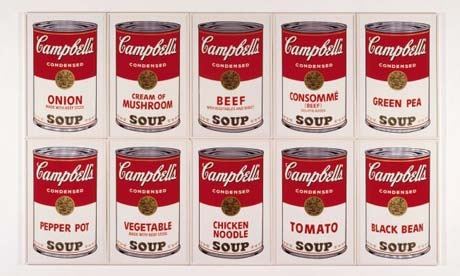
Hamilton, in his work, “For the Finest Art, Try Pop”, tries to explain pop-art in relation to two reactionary art movements of the 20th century, Dadaism and Futurism; two movements in which artists react to the modern society in constant change in an attempt to express an image of it and to take a critical…
-
The Machine Eye: The Beauty of Photoghraphy
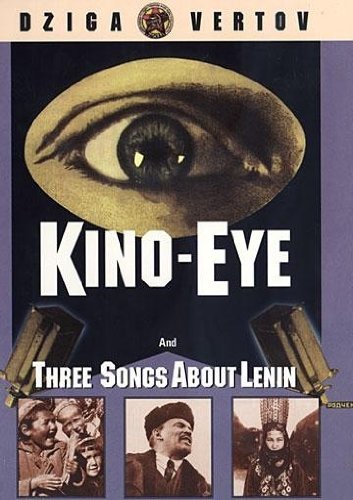
Walter Benjamin’s influential essay “The World of Art in the Age of Mechanical Reproduction” (1936) deals with the relationship between the mechanization of art production techniques and socio-political changes brought about with capitalistic mode of production. He introduces his essay with a reference to Marxist critique of capitalist mode of production. Assuming a mainstream understanding…
-
The Beauty of Provacation: Dada and Surrealism
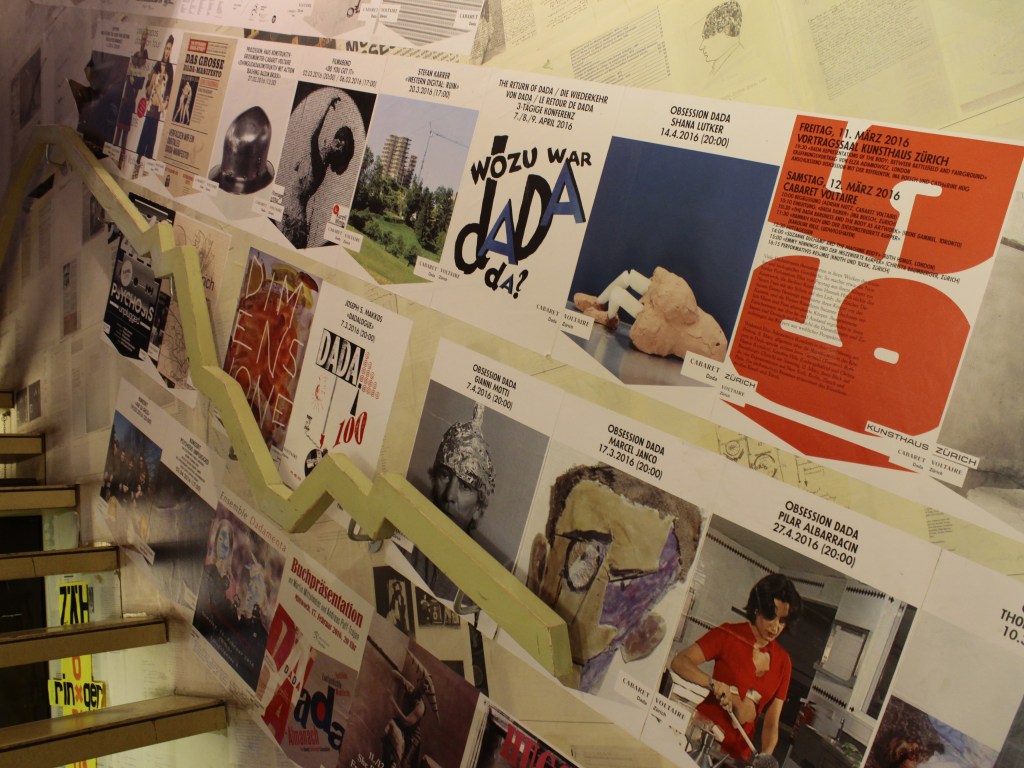
Hugo Ball, the founder of Cabaret Voltaire which will later initiate most Dadaist artist together with Emmy Hennings, states in his “Dada Fragments” that, as the life asserts itself in contradictions, art of Dada–which encompasses the contradictions by being absurd, extraordinary, avant-garde and by employing an anomalous perspective–can be said to penetrate into the life…
-
Cakitschalism
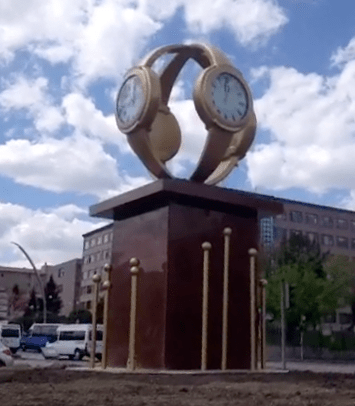
In his essay “Avant-Garde and Kitsch”, Clement Greenberg investigates the notions of avant-garde and of kitsch by attempting to provide their relation to each other and to the capitalism; also to evaluate critically the use of art (yet, for Greenberg, the art-status of these works are questionable) as a fascist propaganda apparatus by dumbing-down the…
-
In the Name of Picasso!
Rosalind Krauss, in her influential essay on Cubism−“In the Name of Picasso” (1981), puts the positions of many critics of her time towards Cubists and especially Picasso, under suspicion. The prevailing conceptualisation of Picasso’s unprecedented art was appreciated for its autobiographical value by the critics that attempt to comment on it for the first time−such…

-
“The Artworld” and More on Modernism
The reason why we consider the modern art as modernist can be articulated in many aspects: First, one−as Greenberg does in his essay “Modernist Painting” (1960) −may give an account of its philosophical and ideological link with the modernist tendencies in philosophy initiated by Kant; second, one may elaborate on the possibility of defining art…
-
L’Atelier du peintre…
The emergence of realism as an art movement, and modernism and the avantgarde which follow this movement is the subject matter of the chapter from “Nineteenth Century Art- A Critical History”; “The Rhetoric of Realism: Courbet and the Origins of the Avant-Garde”. The group of writers, poets, thinkers and painters that belonged to Post-Romantic generation,…

-
On “Modern”, as in Modern Art
Habermas, in his essay “Modernity- An Incomplete Project”, claims that the project of modernity, which takes its roots from the Enlightenment, is an unfinished project; yet unlike post-modern thinkers, he does not think that modernity is a thing of the past, meaning it is something to be surpassed and subdued. Habermas starts to give an…
 BESTE GÜN ASLAN